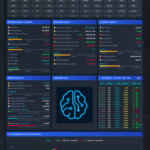
- ALERT: Electron 2MeV Integral Flux exceeded 1,000pfu
- EXTENDED WARNING: Geomagnetic K-index of 4 expected
- ALERT: Geomagnetic K-index of 4
- WARNING: Geomagnetic K-index of 4 expected
- CONTINUED ALERT: Electron 2MeV Integral Flux exceeded 1,000pfu
- ALERT: Geomagnetic K-index of 4
- WARNING: Geomagnetic K-index of 4 expected
- WATCH: Geomagnetic Storm Category G1 Predicted
When the Sun burps, Earth notices about thirty minutes later. A coronal mass ejection or a fast solar wind stream compresses our magnetosphere, drives geomagnetic storms, pushes auroras toward the equator — and occasionally breaks things: GPS accuracy drops, HF radio fades, grid operators get nervous. This board watches the numbers that tell you whether any of that is happening right now.
What is the Kp index and why does everyone quote it?
Kp is the global geomagnetic activity index, running 0 to 9. It answers the practical question “are auroras visible from where I live” better than any photograph of the Sun can. Kp 5 means a minor storm and auroras possible at high latitudes; Kp 7 and above pushes them into mid-latitudes — central Europe, the northern US. The board shows the current value and the trend, because a rising Kp is more useful than a static one.
What do solar wind speed and IMF Bz actually tell you?
Solar wind speed is the raw supply — a slow 350 km/s wind rarely stirs anything, a 700 km/s stream is a different story. Bz is the magnet: when the interplanetary magnetic field tilts south (negative Bz), it couples with Earth’s field and energy pours in. Strong wind plus sustained southward Bz is the combination that produces real storms. The board shows both, measured at the L1 point upstream of Earth — roughly 30 to 60 minutes of warning before the effects arrive.
Who is this for besides aurora hunters?
Anyone whose hardware cares about the ionosphere: HF radio operators watching band conditions collapse, drone and survey users relying on GPS precision, satellite operators tracking drag anomalies. And anyone who just wants to know whether tonight is worth a drive away from the city lights.
Open Space Weather Live
→ logicencoder.com/space-weather/
All Logic Encoder tools at the applications page.